


Packman 2g Disposable


£12.00
Packman 2G Disposable
The world of vaping has seen a plethora of products come and go, but the Packman 2G Disposable vape stands out as a fan favorite. Whether you’re a seasoned vaper or new to the scene, understanding what makes the Packman 2G Disposable unique is key to deciding if it’s the right fit for you. In this comprehensive review, we’ll dive deep into its features, performance, and why it might just be the best disposable vape for many.
Packman 2G Disposable Product Description
In the evolving landscape of specialized research materials, consistency, purity, and precise delivery are non-negotiable. The Packman 2G Disposable represents a significant advancement in this field, offering researchers a reliable, high-capacity, and user-friendly format for specific investigative applications. Designed with the rigorous demands of controlled laboratory and research environments in mind, this device integrates premium-grade composition with a sophisticated, maintenance-free delivery system.
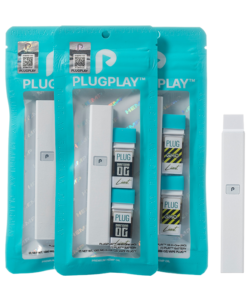
This product is a pre-filled, single-use apparatus containing 2 grams of a high-potency primary agent suspended in a specialized carrier matrix. It is engineered for activation via inhalation, utilizing an advanced ceramic coil heating element to ensure consistent vaporization without combustion. The integrated 320mAh to 350mAh rechargeable battery supports complete utilization of the contents, distinguishing it from non-rechargeable alternatives that may waste material. Key operational features include a five-click safety on/off mechanism and a two-click pre-heat function, which optimizes the viscosity of the compound for a smooth and consistent release profile.
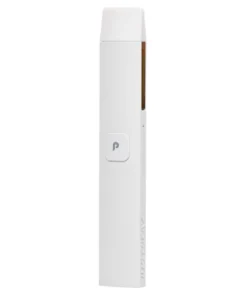
The primary benefits for the research professional are substantial. First, the 2-gram capacity offers extended utility, reducing the frequency of apparatus changes and supporting longer-term observational studies. The core composition utilizes a refined live resin extract, a process designed to preserve the original phytochemical profile, combined with purified liquid diamond isolates for high chemical consistency. This can translate to more stable and reproducible experimental conditions. Furthermore, the device’s design prioritizes discretion and simplicity—its compact, pen-style form factor is easily managed, requires no assembly or refilling, and its draw-activated mechanism eliminates complex settings.
Safety and responsible stewardship are paramount in any research context. This product is intended solely for authorized laboratory research purposes by qualified professionals. It is not for human or animal consumption. Researchers must adhere to all institutional, local, and national guidelines for handling chemical substances. Proper personal protective equipment (PPE), including ventilation and gloves, should be used. It is critical to procure materials like the Packman 2G Disposable from verified, reputable suppliers to mitigate risks associated with non-compliant products, which have been documented to contain hazardous contaminants. For a trusted source adhering to stringent quality standards, consider sourcing from Zillo Brothers.
Regarding longevity and storage, maintaining integrity is essential. The device should be stored in a cool, dry environment, ideally between 60-70°F (15-21°C), and kept in an upright position to preserve the internal composition. Avoid exposure to direct sunlight or extreme temperatures. While the integrated battery is rechargeable, the unit is designed as a single-use system; the apparatus should be properly disposed of according to electronic waste and chemical safety protocols at the conclusion of research.
The advanced composition is a key differentiator. The formulation is based on a live resin extract, known for retaining a broad spectrum of the source material’s native compounds, which is then infused with purified crystalline isolates (“liquid diamonds”) to achieve a high and consistent concentration of the primary analytical target. This combination aims to provide a rich chemical profile for spectroscopic and behavioral study. Available profiles include indica-dominant, sativa-dominant, and hybrid variants, such as the noted Slurricane strain.
In terms of application, the Packman 2G Disposable is suited for specific, controlled research areas. These may include analytical chemistry studies on vaporization properties and compound stability, botanical extraction methodology comparisons, or the development of detection and quantification assays. Its consistent delivery mechanism makes it a potential tool for standardized testing protocols where a reliable release of volatilized compounds is required.
When sourcing materials of this specificity, partnering with a credible supplier is the foundation of sound research. Ensuring product authenticity through verification codes and transparent supply chains is not just a best practice—it is a scientific imperative.
Product Details Table
The table below consolidates the technical specifications for the Packman 2G Disposable from available data.
| Product Details Table Packman Disposable (2g) |
|
|---|---|
| Feature | Specification |
| Brand | Packman |
| Composition / Ingredients | Premium live resin extract infused with liquid diamond isolates. |
| Concentration / Volume | 2 grams (2000mg) total capacity. High-potency formulation. |
| Duration of Effects | N/A (For research observation only. Effects vary based on experimental parameters.) |
| Indications / Usage Areas | Controlled research applications including analytical chemistry, vaporization studies, and extraction methodology analysis. |
| Administration / Method | Inhalation-activated via advanced ceramic coil. Features 5-click on/off and 2-click pre-heat function. |
| Shelf Life | Recommended use within shelf life indicated by supplier. Dependent on storage conditions. |
| Storage Conditions | Cool, dry place (60-70°F / 15-21°C). Upright position. Avoid light and heat. |
| Package Contents | 1 x Pre-filled disposable device. Packaging may vary. |
| Country of Origin | Information available upon request from supplier. |
| Licensing / Certification | Products should be accompanied by applicable documentation from the supplier. |
| Safety Notes / Side Effects | For laboratory research use only by qualified professionals. Not for consumption. Use appropriate PPE. Dispose of according to local e-waste/chemical regulations. |
FAQs: Packman 2G Disposable
1. What exactly is the Packman 2G Disposable, and for what primary purpose is it designed?
The Packman 2G Disposable is a pre-filled, self-contained single-use apparatus designed for controlled laboratory research. It contains 2 grams of a premium analytical substance formulated with live resin extract and liquid diamond isolates. Its core design purpose is to provide researchers with a consistent, high-capacity, and precisely delivered source of volatile compounds for study.
The device integrates a battery, heating element, and compound reservoir into one pen-style unit, eliminating the need for assembly, refilling, or complex maintenance. It is engineered specifically for applications in analytical chemistry, such as studying vaporization properties, thermal degradation profiles, and compound stability under specific conditions. It represents a standardized tool intended to reduce variables in experimental setups where a reliable aerosolized release is required.
2. How does the advanced “live resin with liquid diamonds” composition affect its properties for research?
The combination of live resin and liquid diamond isolates creates a composition with a distinct phytochemical profile valuable for comparative analysis. Live resin is produced using a cryogenic extraction process designed to preserve a broader spectrum of the source material’s native terpenes and minor cannabinoids by processing fresh, flash-frozen biomass.
This results in a complex, full-spectrum extract. Liquid diamonds refer to purified, crystallized isolates that have been gently heated back into a liquid form, offering a very high and consistent concentration of specific primary compounds. When infused together, this formulation aims to provide both the rich, variable matrix of a full-spectrum extract and the potent, standardized baseline of a purified isolate. For researchers, this allows for investigations into the “entourage effect” at a chemical level, stability tests on different compound classes within the same matrix, and the development of more nuanced detection assays.
3. What are the primary safety protocols for handling this device in a research setting?
Safety protocols must be stringent. First and foremost, the product is for in-vitro laboratory research use only by qualified professionals and is not for human or animal consumption. Handling should occur in a well-ventilated fume hood or a space with equivalent engineering controls to prevent inhalation of vapors. Researchers must wear appropriate personal protective equipment (PPE), including nitrile or chemical-resistant gloves, safety goggles, and a lab coat.
The device should be inspected for leaks or damage prior to use. During activation, avoid direct inhalation and ensure the vapor is properly evacuated. After the research cycle is complete, the entire unit must be disposed of as both electronic waste (due to the battery and circuitry) and chemical waste (due to the residual compound), following all local, state, and federal hazardous waste regulations. A chemical hygiene plan specific to the substances involved should be referenced.
4. Can the device’s battery be recharged, and how does this impact its functional longevity?
Yes, a key feature of the authentic Packman 2G Disposable is its integrated rechargeable lithium-ion battery (typically 320mAh-350mAh). This is a critical differentiator from inferior, non-rechargeable disposable units. The recharge function ensures that the battery’s charge cycle is not the limiting factor in fully utilizing the entire 2-gram reservoir.
A non-rechargeable device may lose power before the compound is exhausted, leading to wasted material and incomplete experimental data. The ability to recharge guarantees that the apparatus can maintain optimal voltage to the ceramic coil until the compound is fully depleted, providing consistent performance throughout its entire lifecycle and ensuring researchers can extract the maximum utility from the unit for their observational studies.
5. How do I verify the authenticity of a Packman 2G Disposable to ensure it’s suitable for research?
Authenticity is paramount for obtaining reliable, uncontaminated research materials. Genuine Packman products employ several verification methods. First, check the packaging for overt security features like holographic stickers, unique batch numbers, and QR codes. The most reliable method is to scan the official QR code, which should direct you to a verification portal on the brand’s or authorized distributor’s website where you can input the unique scratch-off code.
The device itself should have consistent, high-quality branding and construction with no spelling errors. The oil should move slowly and be free of visible particulates or separation. Crucially, source your materials only from verified, reputable suppliers with transparent quality control measures. Purchasing from unverified sources risks obtaining counterfeit products, which have been documented to contain harmful contaminants like pesticides, heavy metals, or synthetic additives that would completely invalidate research findings and pose safety hazards.
6. What is the recommended storage protocol to preserve the integrity of the compound before use?
Proper storage is essential to maintain chemical stability. The device should be stored in a cool, dark, and dry environment, with an ideal temperature range between 60-70°F (15-21°C). It must be kept in an upright position to prevent any potential leaking or separation of the internal composition. Avoid exposure to direct sunlight, extreme heat (like in a car), or excessive cold, as temperature fluctuations can degrade the compounds, alter viscosity, and potentially damage the internal hardware or battery.
For long-term storage before initiating a research protocol, a climate-controlled laboratory storage cabinet is ideal. Always keep the device in its original packaging until ready for use to protect it from light and physical damage.
7. What does the “2G” designation represent, and how does this capacity benefit extended research?
The “2G” designation stands for 2 grams, indicating the total net weight of the compound contained within the disposable apparatus. This high capacity is a significant advantage for research applications. Compared to standard 0.5g or 1g units, the 2-gram capacity allows for substantially more data points to be collected from a single, consistent source.
This reduces the inter-batch variability that could be introduced by switching between multiple smaller units during a longitudinal study. It supports extended observational periods, facilitates larger-scale analytical testing (e.g., multiple runs through chromatography equipment), and ultimately improves the efficiency and continuity of research by minimizing the frequency of apparatus changes and associated calibration steps.
8. How does the ceramic coil heating technology contribute to precise research outcomes?
The ceramic coil is a core component that promotes consistency. Unlike older wick-and-wire systems, ceramic offers even heat distribution across its porous structure. This allows for a more uniform and controlled vaporization of the compound at a lower temperature, reducing the risk of pyrolysis (burning) which can create new, unwanted chemical byproducts.
For research, this means the released aerosol is more representative of the original compound’s profile, leading to more accurate and reproducible data in studies analyzing vapor content, thermal decomposition thresholds, or the effects of specific temperature parameters on compound release. The ceramic element also tends to have a longer functional life within the device, maintaining its performance characteristics until the reservoir is empty.
9. What are the specific “indica,” “sativa,” and “hybrid” designations based on, and why are they relevant?
These designations refer to the purported chemotype of the source biomass used in the live resin extract. “Indica”-dominant profiles are typically associated with extracts higher in certain terpenes like myrcene and linalool, and may present a different minor cannabinoid profile. “Sativa”-dominant profiles might be higher in terpenes like terpinolene or ocimene. “Hybrids” aim for a balance. For controlled research, these labels are relevant for experiments focusing on the differential analysis of these distinct phytochemical profiles.
A researcher might compare the vaporization efficiency, terpene stability, or analytical signatures of an “indica” live resin against a “sativa” live resin from the same brand under identical conditions to document measurable, chemistry-based differences.
10. What is the function of the “pre-heat” feature, and when should it be used in a research protocol?
The pre-heat function (often activated by two rapid clicks of the button) is designed to gently warm the compound before vaporization. This is particularly useful for standardizing the viscosity of the material, especially in cooler laboratory environments. A thicker, cooler compound may not wick properly onto the ceramic coil, leading to inconsistent delivery or potential dry hits that could burn the coil and contaminate the sample.
By initiating a controlled pre-heat cycle, the researcher ensures the compound reaches an optimal consistency for uniform wicking. This step should be integrated into a standardized research protocol prior to each activation for data collection to ensure every experimental trial begins with the compound in a similar physical state, thereby reducing a variable in the release mechanism.
11. How should the apparatus be properly disposed of after the research is concluded?
Disposal requires careful consideration of both electronic and chemical waste streams. Do not dispose of in regular trash. First, the device must be fully depleted. Then, due to the integrated lithium-ion battery, it is classified as electronic waste (e-waste). Many jurisdictions have specific regulations for battery disposal. Furthermore, the interior chamber and coil will contain residual chemical compounds.
Therefore, the entire unit should be treated as chemical-contaminated e-waste. Researchers must follow their institution’s Environmental Health and Safety (EHS) guidelines for hazardous waste disposal. This typically involves placing the spent device in a designated, properly labeled container for hazardous electronic waste. Contact your institutional EHS department for a specific disposal protocol that complies with RCRA (Resource Conservation and Recovery Act) and local regulations.
12. What distinguishes this product from other disposable vapes on the market for professional use?
Several key features distinguish it for professional research contexts:
1) Capacity & Authenticity: The verified 2-gram capacity in an authentic product is rare. Many counterfeit or low-quality disposables are falsely labeled.
2) Rechargeability: The integrated USB-C port allows for complete usage of the compound, a feature absent in cheap, single-charge disposables.
3) Composition: The specific live resin + liquid diamond formulation is a premium, complex matrix for study, unlike simpler distillate-based products.
4) Hardware: The use of a ceramic coil and robust construction indicates a design focus on consistent performance.
5) Verification: The presence of a working, scannable authentication system is a hallmark of a product intended for a quality-conscious market, including researchers who require traceability and proof of content.
13. Are there any known interactions or incompatibilities with common laboratory solvents or materials?
While the device is self-contained, researchers should be aware of potential risks if the apparatus is compromised. The internal compound is a concentrated organic extract. It is likely soluble in many common non-polar organic solvents (e.g., hexane, ethanol, acetone). If the device casing were to crack or leak, the released material could dissolve certain plastics and adhesives.
Standard laboratory gloves may not provide sufficient protection against concentrated extracts; nitrile or neoprene gloves are recommended. For any procedure involving opening the device or extracting residual material for analysis (which is not standard and voids any warranty), extreme caution and proper chemical hygiene are mandatory. The compound should be treated as a concentrated organic substance with unknown reactivity when pure.
14. What is the typical voltage output, and how does it affect vaporization temperature?
The device operates on a fixed-voltage system, typically outputting between 3.2V and 3.7V to the ceramic coil. This voltage range, combined with the inherent resistance (ohms) of the coil, determines the power output (wattage) and, consequently, the operating temperature.
This fixed system is designed to vaporize the specific compound formulation at what the manufacturer deems an optimal temperature—likely low enough to avoid significant combustion but high enough for efficient volatilization. For researchers, this fixed parameter is an advantage as it removes temperature variability as a user-controlled factor, standardizing the release conditions across multiple uses and different researchers, provided the battery is adequately charged.
15. Why is it critical to source research materials like this from a certified supplier?
Sourcing from a certified supplier is the primary control measure for research integrity and safety. Certified suppliers provide:
1) Authenticity Guarantees: They source directly from legitimate producers, eliminating the risk of counterfeit products.
2) Quality Documentation: They can often provide or request Certificates of Analysis (CoA) from third-party labs, detailing potency and screening for contaminants like heavy metals, pesticides, and residual solvents.
3) Regulatory Compliance: They understand and adhere to shipping regulations for research materials.
4) Consistency: They offer batch-to-batch consistency, which is vital for reproducible research. Using an uncertified source introduces uncontrolled variables (contaminants, mislabeled contents, inconsistent potency) that can invalidate an entire study and pose legal and safety risks to the laboratory.
16. How does the draw-activated mechanism work, and what are its benefits for controlled studies?
Many models feature a draw-activated (inhale-activated) firing mechanism, meaning the device is activated by airflow when the user inhales through the mouthpiece, often in conjunction with a button. This design offers two main benefits for controlled studies:
1) Simplicity: It removes the variable of manual button-pressing duration, standardizing the activation method to a natural airflow.
2) Efficiency: It helps conserve the compound by only activating the coil when a draw is detected, preventing accidental activation and waste. In a research setting, this can be paired with a calibrated pump system to simulate a standardized “draw,” ensuring each test subject (the device) receives identical activation stimuli for the purpose of data collection on output.
17. What does the shelf life typically entail, and what factors degrade the product most quickly?
The shelf life, often stated as 6-12 months from production, refers to the period during which the compound and device are expected to perform within specified parameters. The primary degrading factors are:
1) Heat: Accelerates chemical degradation (like terpene evaporation and cannabinoid conversion) and can damage the battery, potentially causing leakage or failure.
2) Light: Especially UV light, which can break down cannabinoids and terpenes through photochemical reactions.
3) Oxygen: Oxidation over time can alter the chemical profile, darkening the extract and creating new oxides.
4) Improper Storage (Lying Down): Can lead to clogging or leaking as the compound moves into airways not designed to hold it. Adherence to cool, dark, upright storage is the best practice to maximize functional shelf life.
18. Can the device be used for gas chromatography or mass spectrometry analysis directly?
Not directly in its standard form. The device is designed to produce an aerosol for inhalation studies or environmental sampling. For techniques like GC-MS or HPLC, the compound itself needs to be in a liquid solvent for injection.
A researcher could, with proper caution and methodology, carefully open a spent or unused device to extract the residual compound with a suitable solvent (e.g., methanol, ethanol) to create a standard solution for calibration or direct analysis. However, this is a destructive process and not the device’s intended function. The aerosol it produces could theoretically be captured in a trap (like a solvent impinger or a solid-phase microextraction fiber) for subsequent analysis, which would be a study of the vapor phase itself.
19. What are the most common signs of a counterfeit or low-quality imitation product?
Common signs of counterfeit products include:
1) Packaging: Typos, blurry logos, missing holograms, and flimsy cardboard.
2) Verification: Fake or non-functional QR codes/scratch-off codes.
3) Device: Lightweight, cheap plastic feel, poorly printed or painted-on branding that rubs off, inconsistent coloring.
4) Oil: Moves far too quickly (indicative of thinning agents), has visible separation, strange colors (like pink or green), or a chemical smell.
5) Performance: Burns very hot, tastes harsh or plastic-like, clogs incessantly, battery dies long before the oil is finished.
6) Price: Wholesale prices that are unrealistically low compared to the verified market rate are a major red flag.
20. How does the viscosity of the “liquid diamond” infusion impact its performance in the device?
The liquid diamond infusion increases the overall viscosity of the live resin base. Live resin alone can be quite sappy and thick. The purified liquid diamond component, being a decarboxylated and reheated crystalline isolate, is even thicker, often like a dense syrup or distillate.
This high viscosity is beneficial for stability and preventing leakage but requires the device’s hardware (the wicking ports in the ceramic coil) to be specifically designed to handle it. The pre-heat function becomes essential to temporarily lower this viscosity for proper wicking. From a research standpoint, a high-viscosity matrix may have different fluid dynamics within the chamber and coil, which could be a variable in studies of aerosolization efficiency and could potentially lead to more consistent dosing per activation as the material flows slowly and steadily.
21. What legal considerations must a research institution evaluate before procuring this product?
Legal considerations are complex and paramount. Institutions must ensure strict compliance with: 1) The Controlled Substances Act (CSA): In the U.S., the legal status of the primary compounds in this device varies by state and is federally restricted under Schedule I. Research must be conducted under a DEA license if applicable.
2) State Laws: Regulations differ wildly; what is legal for research in one state may be prohibited in another.
3) International Laws: For researchers outside the U.S., the UN Drug Conventions and national laws (e.g., the UK’s Misuse of Drugs Act, Canada’s CDSA) apply.
4) Import/Export Regulations: Shipping across state or international borders involves customs and may require permits.
5) Institutional Policies: The institution’s own legal and compliance office must review and approve the research. Procurement should only proceed after all these regulatory hurdles are cleared and necessary licenses are secured.
22. In what specific research areas beyond general chemistry could this device be applied?
Beyond analytical chemistry, potential interdisciplinary research applications include: 1) Environmental Science: Studying the atmospheric dispersion and persistence of aerosolized compounds, or their adsorption to surfaces.
2) Material Science: Testing the longevity and failure modes of the ceramic coil and battery components under cyclic load.
3) Engineering: Analyzing the fluid dynamics of high-viscosity fluids in micro-channels (the wick) and the efficiency of different vaporization chamber designs.
4) Public Health Research: As a standardized source for developing and calibrating detection equipment used in impairment or indoor air quality studies (where legally permissible).
5) Pharmacology (Pre-Clinical): While not for consumption, the standardized output could be used in in-vitro cell culture exposure studies on the effects of specific aerosols (conducted under an approved research protocol).
23. What is the typical activation duration before the device may overheat or require a cooldown?
The device is designed for intermittent, personal-use style activation. A typical cycle might be a 3- to 8-second draw. For continuous or back-to-back activations in a research setting, the device can overheat. Symptoms of overheating include a harsh, burnt taste (indicating the coil is too hot and burning the compound or itself), the exterior becoming uncomfortably hot to touch, and a noticeable drop in vapor production as safety cut-offs engage.
To prevent this and mimic real-world conditions or to prevent damage, a standardized research protocol should include a cooldown period—for example, a minimum of 30-60 seconds between successive activations. This allows the ceramic coil and internal electronics to reset, ensuring consistency and preventing thermal degradation of the sample.
24. How should unused devices be transported safely to a research site or between labs?
Transporting unused devices requires planning for both physical and chemical safety. 1) Containment: Keep each device in its original, child-resistant packaging.
2) Orientation: Transport them in a rigid container that holds them upright to prevent leakage.
3) Temperature Control: Avoid leaving them in a hot car or in checked airline luggage (where pressure and temperature fluctuate). A climate-controlled environment is best.
4) Documentation: When shipping, use a certified courier that allows for tracking, and ensure all necessary legal documentation for the transport of research materials accompanies the shipment.
5) Discretion: While not illegal per se in all contexts, discreet packaging is prudent to avoid unnecessary attention or theft. The container should be clearly labeled with the researcher’s contact information.
25. What steps should be taken if the device malfunctions or fails to produce vapor during a research session?
If a malfunction occurs:
1) Initial Troubleshooting: Ensure the battery is charged (connect to USB). Try the 5-click on/off to reset the circuit. Use the 2-click pre-heat function and try again. Check for visible clogging in the mouthpiece.
2) Avoid Force: Do not attempt to suck forcefully on a clogged device, as this may draw unvaporized oil into your mouth.
3) Contact Supplier: If troubleshooting fails, contact the certified supplier from whom it was purchased. Reputable suppliers often have warranties or replacement policies for defective units. Provide them with the batch number and purchase details.
4) Safe Storage: Place the malfunctioning device in its original packaging and store it securely as chemical/electronic waste until a resolution is obtained or it can be properly disposed of. Do not attempt to disassemble it, as this could damage it further, void any warranty, and potentially expose you to concentrated chemicals or a risk of battery puncture.
#Packman 2G Disposable #Packman 2G Disposable #Packman 2G Disposable #Packman 2G Disposable #Packman 2G Disposable #Packman 2G Disposable #Packman 2G Disposable #Packman 2G Disposable #Packman 2G Disposable #Packman 2G Disposable #Packman 2G Disposable
#Packman 2G Disposable #Packman 2G Disposable #Packman 2G Disposable #Packman 2G Disposable #Packman 2G Disposable #Packman 2G Disposable #Packman 2G Disposable #Packman 2G Disposable #Packman 2G Disposable #Packman 2G Disposable #Packman 2G Disposable
#Packman 2G Disposable #Packman 2G Disposable #Packman 2G Disposable #Packman 2G Disposable #Packman 2G Disposable #Packman 2G Disposable #Packman 2G Disposable #Packman 2G Disposable #Packman 2G Disposable #Packman 2G Disposable #Packman 2G Disposable
10 reviews for Packman 2g Disposable
Add a review
Related products






EXTRACTS
Mark T. –
Great attention to detail and very professional service. Highly recommended. My packman got here and am pleased
Des –
Quick delivery and premium packman quality. Definitely worth the price.
Kate Hudson –
Customer support answered my questions quickly and clearly. Great experience overall.
Blondell –
Product met expectations and arrived safely. No complaints.
Asgard –
Reliable store with excellent standards. I’ll be ordering again soon.”
Vido –
ZilloBrothers.com sets the bar high. Quality, service, and speed all on point.
Daniel M –
Excellent quality and fast service. Everything arrived exactly as described. Very happy with my order.
Sarah K –
Super smooth experience from checkout to delivery. ZilloBrothers is now my go-to.
Jason R. –
Product quality was great. Shipping took a little longer, but customer support was helpful
Michael T. –
High standards, clean packaging, and great communication throughout the process